When a project stalls or an idea falls short, having the right words to describe failure can turn a setback into a clear narrative. Below are carefully chosen terms, each paired with context and examples, so you can communicate disappointment, analysis, or resilience with precision.
Why Precise Language Matters in Post‑Failure Analysis
Choosing the exact adjective or verb shapes how teammates interpret a misstep. Describing a missed deadline as “delayed” suggests a temporary slip, while “aborted” implies a definitive end. This nuance guides the subsequent steps—whether to revisit the plan, allocate extra resources, or close the chapter entirely.
Common Verbs That Capture Different Shades of Failure
- Flounder – struggle without progress, often due to unclear direction.
- Collapse – sudden breakdown, typical of systems that cannot sustain load.
- Falter – momentary hesitation that may lead to error.
- Misfire – an attempt that yields an unexpected or ineffective result.
- Stumble – a minor slip that can be corrected with quick adjustments.
Using these verbs in a report—e.g., “The prototype misfired during the stress test”—immediately conveys the nature of the problem and its severity.
Adjectives That Convey the Impact of a Failed Outcome
- Catastrophic – total breakdown with far‑reaching consequences.
- Deficient – lacking essential elements, often used for incomplete data.
- Inadequate – insufficient to meet basic standards.
- Suboptimal – below the ideal level but still functional.
- Unviable – impractical to continue under current conditions.
Pairing an adjective with a noun clarifies expectations: “The design was suboptimal for high‑temperature environments, prompting a redesign of the cooling system.”
Visual Cue: Recognizing Failure in Learning Materials

Even early education uses specific terms to label mistakes, such as “incorrect” or “misspelled.” Understanding these labels helps educators trace the origin of a learner’s difficulty and apply targeted interventions.
How to Choose the Right Word for Different Audiences
For a technical team, “malfunction” pinpoints a system issue; for stakeholders, “underperformed” softens the blow while still signaling concern. Tailor your vocabulary to the audience’s familiarity and the intended call to action. This strategic wording can preserve morale while driving accountability.
Visual Reference: Word Frequency and Its Role in Describing Failure
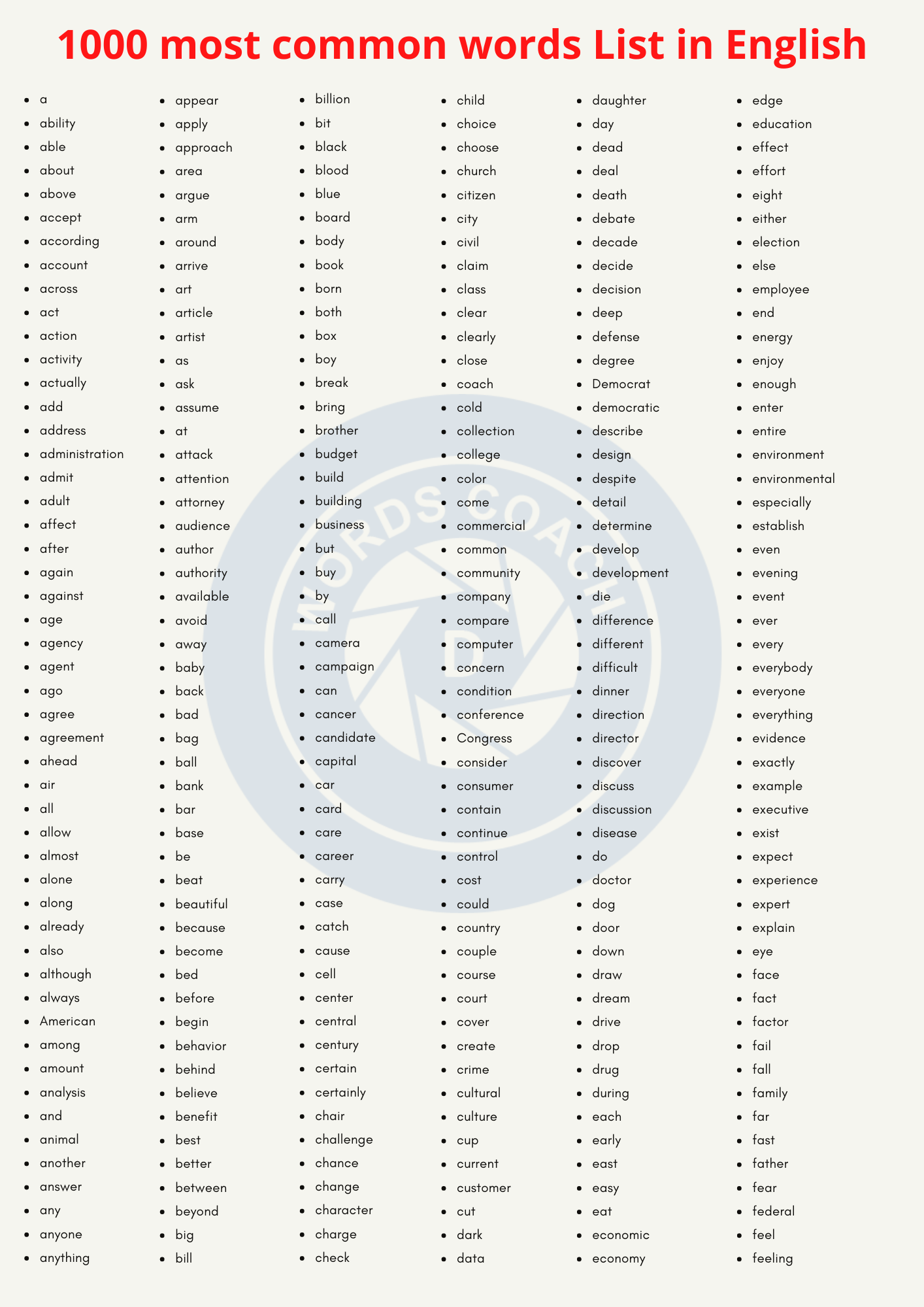
Most failure‑related words appear high on frequency lists, meaning they are readily understood. Leveraging common terms like “failed” or “poor” ensures clarity, while rarer words such as “abortive” add nuance when the audience is familiar with formal diction.
Next Steps: Building a Failure‑Vocabulary Toolkit
1. Compile a shortlist of verbs and adjectives that fit your industry.
2. Pair each term with a concrete example from recent projects.
3. Review the list with your team to ensure shared understanding.
4. Update reports and meeting notes to reflect the refined language.
By systematically integrating the right words, you transform vague disappointment into actionable insight, fostering more effective problem‑solving and continuous improvement.
When a project stalls or an idea falls short, having the right words to describe failure can turn a setback into a clear narrative. Below are carefully chosen terms, each paired with context and examples, so you can communicate disappointment, analysis, or resilience with precision.
Why Precise Language Matters in Post‑Failure Analysis
Choosing the exact adjective or verb shapes how teammates interpret a misstep. Describing a missed deadline as “delayed” suggests a temporary slip, while “aborted” implies a definitive end. This nuance guides the subsequent steps—whether to revisit the plan, allocate extra resources, or close the chapter entirely.
Common Verbs That Capture Different Shades of Failure
- Flounder – struggle without progress, often due to unclear direction.
- Collapse – sudden breakdown, typical of systems that cannot sustain load.
- Falter – momentary hesitation that may lead to error.
- Misfire – an attempt that yields an unexpected or ineffective result.
- Stumble – a minor slip that can be corrected with quick adjustments.
Using these verbs in a report—e.g., “The prototype misfired during the stress test”—immediately conveys the nature of the problem and its severity.
Adjectives That Convey the Impact of a Failed Outcome
- Catastrophic – total breakdown with far‑reaching consequences.
- Deficient – lacking essential elements, often used for incomplete data.
- Inadequate – insufficient to meet basic standards.
- Suboptimal – below the ideal level but still functional.
- Unviable – impractical to continue under current conditions.
Pairing an adjective with a noun clarifies expectations: “The design was suboptimal for high‑temperature environments, prompting a redesign of the cooling system.”
Visual Cue: Recognizing Failure in Learning Materials
Even early education uses specific terms to label mistakes, such as “incorrect” or “misspelled.” Understanding these labels helps educators trace the origin of a learner’s difficulty and apply targeted interventions.
How to Choose the Right Word for Different Audiences
For a technical team, “malfunction” pinpoints a system issue; for stakeholders, “underperformed” softens the blow while still signaling concern. Tailor your vocabulary to the audience’s familiarity and the intended call to action. This strategic wording can preserve morale while driving accountability.
Visual Reference: Word Frequency and Its Role in Describing Failure
Most failure‑related words appear high on frequency lists, meaning they are readily understood. Leveraging common terms like “failed” or “poor” ensures clarity, while rarer words such as “abortive” add nuance when the audience is familiar with formal diction.
Next Steps: Building a Failure‑Vocabulary Toolkit
1. Compile a shortlist of verbs and adjectives that fit your industry.
2. Pair each term with a concrete example from recent projects.
3. Review the list with your team to ensure shared understanding.
4. Update reports and meeting notes to reflect the refined language.
By systematically integrating the right words, you transform vague disappointment into actionable insight, fostering more effective problem‑solving and continuous improvement.
