Graduation marks a crossroads where ambition collides with uncertainty. The right words of inspiration for graduates can act as quiet anchors, guiding them through transitions. But not all phrases carry equal weight. Selecting and framing these words strategically makes the difference between a vague pep talk and something that sticks. Think of it as matching a compass to a traveler’s terrain—context matters most.
How Do You Craft Words That Stick With Graduates?
The most enduring inspirational phrases for graduates share two traits: specificity and emotional resonance. Take a page from academic achievement tools like the 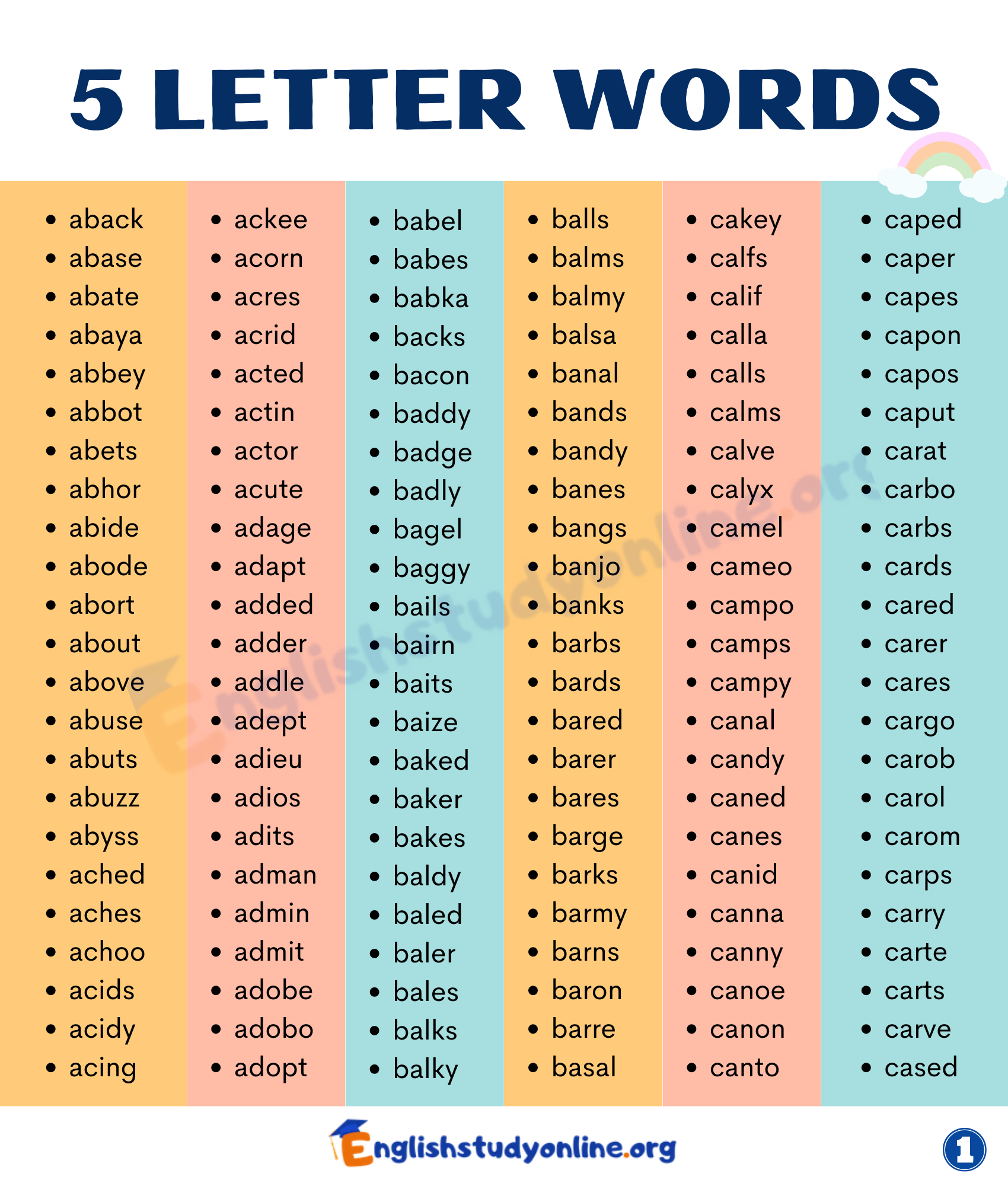 . A five-letter word like “drive” or “hustle” conveys action without sounding generic. Shorter words distill big ideas into digestible concepts, ideal for social media captions, custom keepsakes, or nameplate engravings. The trick is pairing brevity with purpose—these aren’t just motivational posters; they’re conversation starters.
Are Short Phrases or Longer Quotes More Effective?
Consider two scenarios: a graduate scrolling through LinkedIn, or someone in a job interview. The first benefits from punchy, shareable lines—think “Evolve daily” or “Build boldly.” But in high-stakes moments, graduates may need layered wisdom. Compare that to a quote like Steve Jobs’ “Stay hungry, stay foolish.” Shorter phrases grab attention; longer ones invite reflection. The best strategy mixes both. Use concise words for daily reminders and save expansive quotes for major life milestones.
Can We Learn From Classic Graduation Sayings?
Traditional graduation quotes often hinge on themes of perseverance and reinvention. For example, Maya Angelou’s “There is no greater agony than bearing an untold story inside you” taps into creative identity. But modern graduates face different pressures—student debt, gig economy survival, climate anxiety. Words like “Adaptability” or “Intentional growth” reflect today’s landscape. The 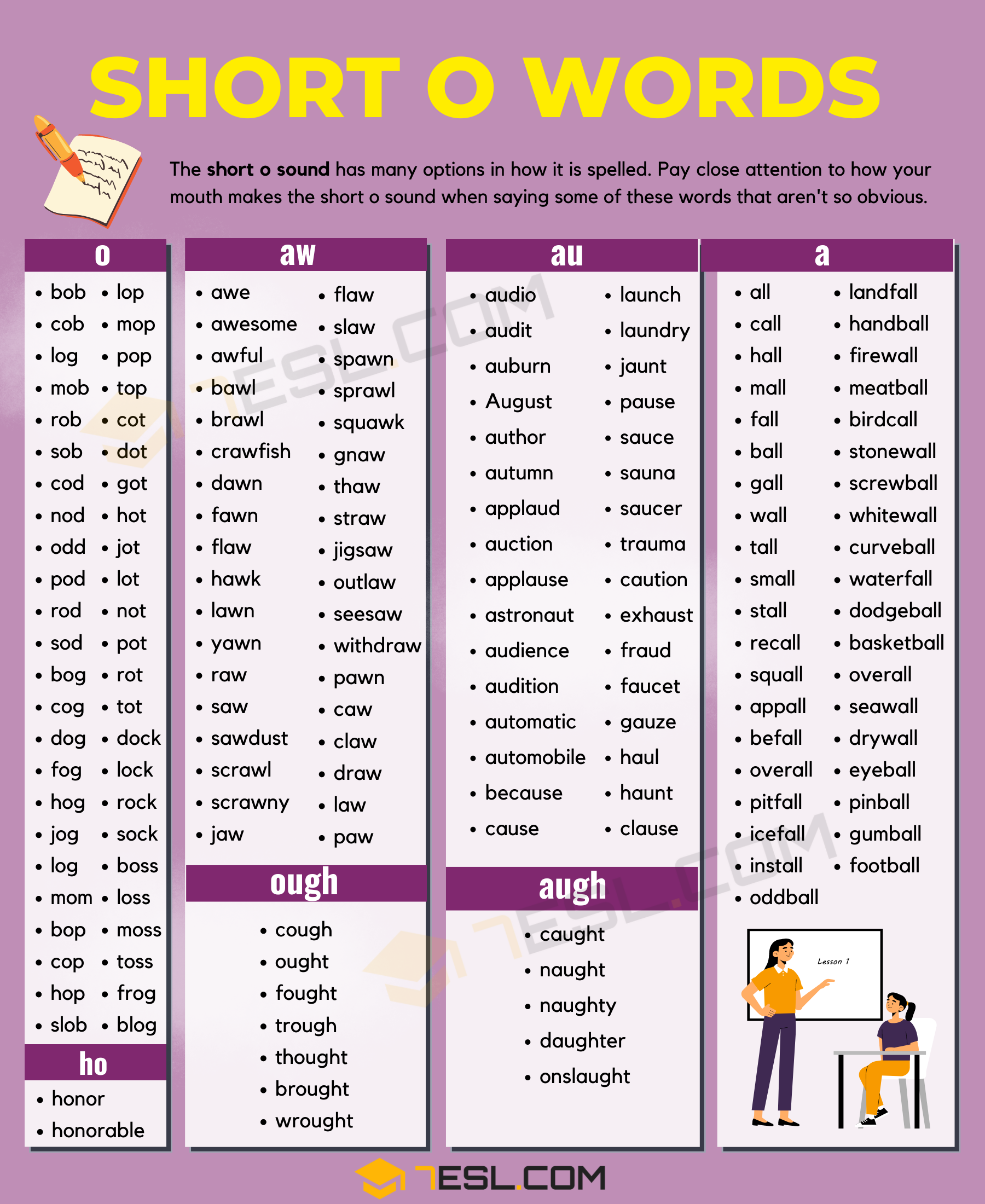 image here highlights how single synonyms can reframe challenges as opportunities, replacing clichés with actionable mindsets.
What Makes a Phrase Truly Uplifting?
The most uplifting words of inspiration for graduates avoid empty positivity. Instead, they acknowledge struggle while pointing toward agency. Compare “You can do it!” to “Your perspective shapes your path.” The first is reassuring; the second empowers. Effective phrases often include verbs—“Navigate,” “Cultivate,” “Redefine”—to signal forward momentum. Pair this with context: a recent graduate in tech might respond to “Code your future,” while a new parent-graduate may resonate with “Balance reinvention with resilience.”
How to Personalize Words Without Overcomplicating Them?
Generic lists dilute impact. Instead, tailor words to a graduate’s journey. Research their interests, career goals, or even social media posts for clues. If they mention startup culture, “Disrupt gently” merges innovation with ethics. For arts graduates, “Create without apology” blends confidence with authenticity. The goal isn’t to mirror their personality but to echo their unspoken aspirations. Test phrases aloud—if it feels effortless to say, it’s likely to feel effortless to remember.
Where Are These Words Best Shared?
Physical reminders often outlast digital ones. Engrave a word on a keychain, or stitch “Fearless” into a graduation stole. For online sharing, TikTok or Instagram captions with a bold word like “Thrive” paired with a sunset video can go viral. Consider the moment of delivery too—handwritten cards or speech inserts carry more weight than templated slides. The medium shapes perception, and perception drives belief.
Graduation isn’t a finale but a pivot point. The right words of inspiration for graduates don’t just motivate—they become mirrors reflecting what’s possible. Choose them not as generic affirmations, but as strategic signposts for an unpredictable journey.What Makes Words Truly Memorable for Graduates?
Memorable phrases combine clarity with emotion. The graphic highlights how single-syllable terms like “rise” or “bold” embed themselves in memory. These work well on gifts—think mugs, phone cases, or anniversary cards for milestone moments. Their simplicity allows graduates to internalize them without cognitive overload, especially during overwhelming transitions like starting a career or moving cities.
Short Phrases Versus Long-Form Quotes: Which Lands Better?
Longer quotes thrive in speeches or printed cards, offering depth. Consider, “The future belongs to those who believe in the beauty of their dreams,” but only if it aligns with the graduate’s values. Short phrases, however, cut through digital noise. A word like “Evolve” paired with a minimalist background makes for shareable social media content. The difference? Immediate impact versus sustained reflection. Graduates scroll quickly online—they need flash.”
How Do Core Words Reflect Today’s Graduate Challenges?
Classic advice like “Work hard” feels outdated amid gig economies and remote work. Modern graduates juggle student debt, climate anxiety, and identity politics. Words like “Adapt” or “Thrive” better signal resilience without toxic positivity. The image here emphasizes verbs over nouns, suggesting motion. A tech graduate might wear “Code” on a hoodie; an artist may frame “Create” in their studio. Each word counters a specific fear—irrelevance, obscurity, stagnation.
What’s the Best Way to Validate Inspirational Words?
Before finalizing, test phrases with the target audience. Ask: Do these words mirror the student’s voice or feel imposed? Focus groups of recent grads revealed that references to creativity (e.g., “Invent”) or empathy (“Build”) resonate more than generic “success” clichés. Real-world use matters too—words that appear in LinkedIn bios or protest signs already have cultural weight. The goal is synergy between meaning and everyday language, not poetic abstraction.
Where Should These Words First Appear?
Timing is everything. A card presented at the ceremony loses punch by 24 hours. Digital platforms like Instagram Stories or TikTok videos, however, extend shelf life. Add a caption like, “Your degree is a passport, not a destination” to spark comments. For in-person delivery, incorporate words into event details—like using “Fearless” as a theme for a graduation brunch playlist. The context determines whether the message becomes a keepsake or a fleeting thought.
A graduate’s path is rarely linear. Words that acknowledge ambiguity while urging action—like “Navigate” or “Redefine”—bridge fear and ambition. They’re not magic spells, but signposts etched in shared language. Choose them not to prescribe a future, but to illuminate possibilities.Graduation marks a crossroads where ambition collides with uncertainty. The right words of inspiration for graduates can act as quiet anchors, guiding them through transitions. But not all phrases carry equal weight. Selecting and framing these words strategically makes the difference between a vague pep talk and something that sticks. Think of it as matching a compass to a traveler’s terrain—context matters most.
How Do You Craft Words That Stick With Graduates?
The most enduring inspirational phrases for graduates share two traits: specificity and emotional resonance. Take a page from academic achievement tools like the . A five-letter word like “drive” or “hustle” conveys action without sounding generic. Shorter words distill big ideas into digestible concepts, ideal for social media captions, custom keepsakes, or nameplate engravings. The trick is pairing brevity with purpose—these aren’t just motivational posters; they’re conversation starters.
Are Short Phrases or Longer Quotes More Effective?
Consider two scenarios: a graduate scrolling through LinkedIn, or someone in a job interview. The first benefits from punchy, shareable lines—think “Evolve daily” or “Build boldly.” But in high-stakes moments, graduates may need layered wisdom. Compare that to a quote like Steve Jobs’ “Stay hungry, stay foolish.” Shorter phrases grab attention; longer ones invite reflection. The best strategy mixes both. Use concise words for daily reminders and save expansive quotes for major life milestones.
Can We Learn From Classic Graduation Sayings?
Traditional graduation quotes often hinge on themes of perseverance and reinvention. For example, Maya Angelou’s “There is no greater agony than bearing an untold story inside you” taps into creative identity. But modern graduates face different pressures—student debt, gig economy survival, climate anxiety. Words like “Adaptability” or “Intentional growth” reflect today’s landscape. The image here highlights how single synonyms can reframe challenges as opportunities, replacing clichés with actionable mindsets.
What Makes a Phrase Truly Uplifting?
The most uplifting words of inspiration for graduates avoid empty positivity. Instead, they acknowledge struggle while pointing toward agency. Compare “You can do it!” to “Your perspective shapes your path.” The first is reassuring; the second empowers. Effective phrases often include verbs—“Navigate,” “Cultivate,” “Redefine”—to signal forward momentum. Pair this with context: a recent graduate in tech might respond to “Code your future,” while a new parent-graduate may resonate with “Balance reinvention with resilience.”
How to Personalize Words Without Overcomplicating Them?
Generic lists dilute impact. Instead, tailor words to a graduate’s journey. Research their interests, career goals, or even social media posts for clues. If they mention startup culture, “Disrupt gently” merges innovation with ethics. For arts graduates, “Create without apology” blends confidence with authenticity. The goal isn’t to mirror their personality but to echo their unspoken aspirations. Test phrases aloud—if it feels effortless to say, it’s likely to feel effortless to remember.
Where Are These Words Best Shared?
Physical reminders often outlast digital ones. Engrave a word on a keychain, or stitch “Fearless” into a graduation stole. For online sharing, TikTok or Instagram captions with a bold word like “Thrive” paired with a sunset video can go viral. Consider the moment of delivery too—handwritten cards or speech inserts carry more weight than templated slides. The medium shapes perception, and perception drives belief.
Graduation isn’t a finale but a pivot point. The right words of inspiration for graduates don’t just motivate—they become mirrors reflecting what’s possible. Choose them not as generic affirmations, but as strategic signposts for an unpredictable journey.What Makes Words Truly Memorable for Graduates?
Memorable phrases combine clarity with emotion. The graphic highlights how single-syllable terms like “rise” or “bold” embed themselves in memory. These work well on gifts—think mugs, phone cases, or anniversary cards for milestone moments. Their simplicity allows graduates to internalize them without cognitive overload, especially during overwhelming transitions like starting a career or moving cities.
Short Phrases Versus Long-Form Quotes: Which Lands Better?
Longer quotes thrive in speeches or printed cards, offering depth. Consider, “The future belongs to those who believe in the beauty of their dreams,” but only if it aligns with the graduate’s values. Short phrases, however, cut through digital noise. A word like “Evolve” paired with a minimalist background makes for shareable social media content. The difference? Immediate impact versus sustained reflection. Graduates scroll quickly online—they need flash.”
How Do Core Words Reflect Today’s Graduate Challenges?
Classic advice like “Work hard” feels outdated amid gig economies and remote work. Modern graduates juggle student debt, climate anxiety, and identity politics. Words like “Adapt” or “Thrive” better signal resilience without toxic positivity. The image here emphasizes verbs over nouns, suggesting motion. A tech graduate might wear “Code” on a hoodie; an artist may frame “Create” in their studio. Each word counters a specific fear—irrelevance, obscurity, stagnation.
What’s the Best Way to Validate Inspirational Words?
Before finalizing, test phrases with the target audience. Ask: Do these words mirror the student’s voice or feel imposed? Focus groups of recent grads revealed that references to creativity (e.g., “Invent”) or empathy (“Build”) resonate more than generic “success” clichés. Real-world use matters too—words that appear in LinkedIn bios or protest signs already have cultural weight. The goal is synergy between meaning and everyday language, not poetic abstraction.
Where Should These Words First Appear?
Timing is everything. A card presented at the ceremony loses punch by 24 hours. Digital platforms like Instagram Stories or TikTok videos, however, extend shelf life. Add a caption like, “Your degree is a passport, not a destination” to spark comments. For in-person delivery, incorporate words into event details—like using “Fearless” as a theme for a graduation brunch playlist. The context determines whether the message becomes a keepsake or a fleeting thought.
A graduate’s path is rarely linear. Words that acknowledge ambiguity while urging action—like “Navigate” or “Redefine”—bridge fear and ambition. They’re not magic spells, but signposts etched in shared language. Choose them not to prescribe a future, but to illuminate possibilities.