When the heat turns up and the days stretch longer, the language we use shifts, too. From beach‑side chatter to backyard barbecues, certain words pop up again and again, shaping how we think about the season. Below is a decision‑focused look at the most useful summer‑related terms, their benefits for clear communication, and the cautions to keep in mind when choosing the right word for the right moment.
What are the core “sun‑and‑fun” words that instantly evoke summer?
Words like sunshine, heatwave, vacation, poolside, and picnic immediately paint a warm picture. Using them in marketing copy, event invitations, or classroom lessons can trigger positive, nostalgic feelings, making the message more memorable. However, overusing clichés such as “sizzle” or “blazing” can feel lazy and may dilute impact, especially for detail‑oriented audiences seeking fresh angles.
How can visual aids reinforce summer vocabulary?
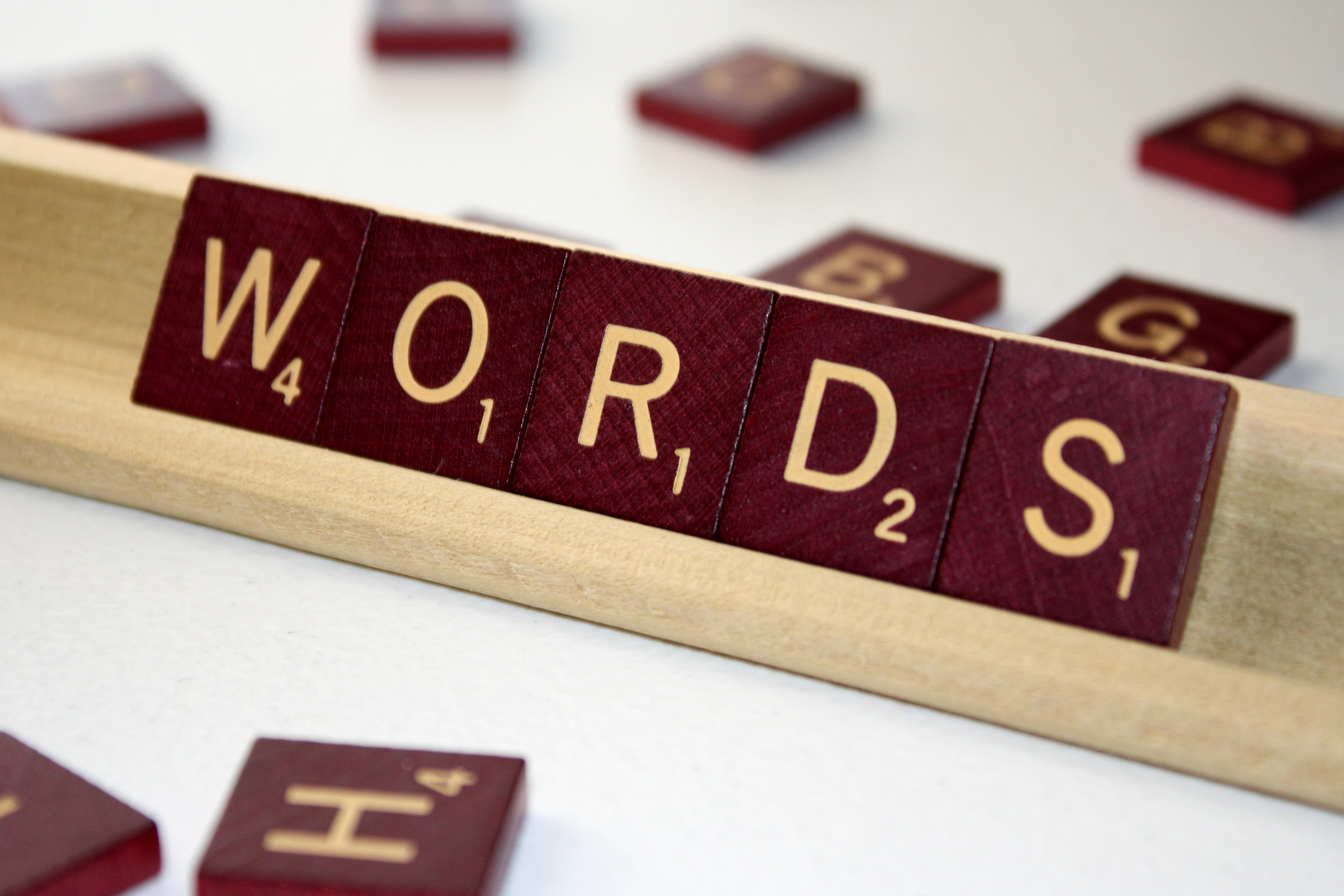
This illustration shows a collection of bright, summer‑themed words that can be used in educational posters or social media graphics. Pairing text with vivid visuals helps learners and readers retain terminology faster, but be sure the design remains uncluttered; too many fonts or colors can distract from the intended message.
Which sight‑words are best for teaching kids summer language?

For early readers, a curated list of sight words like sand, swim, sun, and cool builds a foundation for seasonal storytelling. Incorporating them into daily reading drills keeps lessons relevant and engaging. The caution here is to avoid overwhelming young learners with too many new terms at once; a focused set of 5‑7 words per week yields better retention.
When should you choose informal slang versus formal descriptors?
Informal slang—think “chill vibes,” “sunsational,” or “beachy‑keen”—works well in casual blog posts, Instagram captions, or youth‑focused campaigns. It signals a relaxed tone and can boost shareability. In contrast, formal descriptors such as “temperate climate,” “photovoltaic efficiency,” or “hydrological cycle” are appropriate for research reports, travel guides, or educational curricula. Mixing the two without clear intent can confuse readers about the article’s purpose.
What pitfalls exist when over‑emphasizing summer positivity?
While celebrating sunny days is tempting, neglecting the season’s less pleasant aspects—heat‑related health risks, water scarcity, or mosquito‑borne illnesses—can appear tone‑dead. Including brief cautions (e.g., “remember to stay hydrated during heatwaves”) adds credibility and shows a balanced perspective, which detail‑oriented researchers appreciate.
How can you select the right summer word for specific contexts?
- Marketing copy: Prioritize sensory words (“sizzling BBQ,” “cool ocean breeze”) that evoke taste and touch.
- Educational material: Use concrete nouns (“sandcastle,” “sunscreen”) and simple verbs (“splash,” “shade”) to build vocabulary.
- Technical writing: Opt for precise terms (“UV index,” “thermal conductivity”) to convey data accurately.
- Social media: Blend emojis with short, punchy adjectives (“☀️ radiant day”) for quick engagement.
By matching each word to its ideal audience and purpose, you’ll communicate more effectively and avoid the common trap of vague, overused summer jargon.
When the heat turns up and the days stretch longer, the language we use shifts, too. From beach‑side chatter to backyard barbecues, certain words pop up again and again, shaping how we think about the season. Below is a decision‑focused look at the most useful summer‑related terms, their benefits for clear communication, and the cautions to keep in mind when choosing the right word for the right moment.
What are the core “sun‑and‑fun” words that instantly evoke summer?
Words like sunshine, heatwave, vacation, poolside, and picnic immediately paint a warm picture. Using them in marketing copy, event invitations, or classroom lessons can trigger positive, nostalgic feelings, making the message more memorable. However, overusing clichés such as “sizzle” or “blazing” can feel lazy and may dilute impact, especially for detail‑oriented audiences seeking fresh angles.
How can visual aids reinforce summer vocabulary?
This illustration shows a collection of bright, summer‑themed words that can be used in educational posters or social media graphics. Pairing text with vivid visuals helps learners and readers retain terminology faster, but be sure the design remains uncluttered; too many fonts or colors can distract from the intended message.
Which sight‑words are best for teaching kids summer language?
For early readers, a curated list of sight words like sand, swim, sun, and cool builds a foundation for seasonal storytelling. Incorporating them into daily reading drills keeps lessons relevant and engaging. The caution here is to avoid overwhelming young learners with too many new terms at once; a focused set of 5‑7 words per week yields better retention.
When should you choose informal slang versus formal descriptors?
Informal slang—think “chill vibes,” “sunsational,” or “beachy‑keen”—works well in casual blog posts, Instagram captions, or youth‑focused campaigns. It signals a relaxed tone and can boost shareability. In contrast, formal descriptors such as “temperate climate,” “photovoltaic efficiency,” or “hydrological cycle” are appropriate for research reports, travel guides, or educational curricula. Mixing the two without clear intent can confuse readers about the article’s purpose.
What pitfalls exist when over‑emphasizing summer positivity?
While celebrating sunny days is tempting, neglecting the season’s less pleasant aspects—heat‑related health risks, water scarcity, or mosquito‑borne illnesses—can appear tone‑dead. Including brief cautions (e.g., “remember to stay hydrated during heatwaves”) adds credibility and shows a balanced perspective, which detail‑oriented researchers appreciate.
How can you select the right summer word for specific contexts?
- Marketing copy: Prioritize sensory words (“sizzling BBQ,” “cool ocean breeze”) that evoke taste and touch.
- Educational material: Use concrete nouns (“sandcastle,” “sunscreen”) and simple verbs (“splash,” “shade”) to build vocabulary.
- Technical writing: Opt for precise terms (“UV index,” “thermal conductivity”) to convey data accurately.
- Social media: Blend emojis with short, punchy adjectives (“☀️ radiant day”) for quick engagement.
By matching each word to its ideal audience and purpose, you’ll communicate more effectively and avoid the common trap of vague, overused summer jargon.
