When assessing the professional trajectory and academic contributions of Will Hammond BYU, the focus often shifts from simple credentials to the actual utility of the research and guidance provided. For those looking to leverage this expertise for their own academic or professional growth, understanding the balance between theoretical frameworks and practical application is essential.
Analyze the Core Competencies
The value of an academic's output is rarely found in the quantity of publications, but rather in the scalability of their findings. In the context of Will Hammond BYU, the primary objective is to identify where high-level theory intersects with real-world efficiency. For a value-focused buyer of information—whether that be a student, a researcher, or a corporate partner—the goal is to minimize the gap between learning a concept and implementing it.
Trade-offs are inherent in any academic pursuit. Specialized knowledge often comes at the cost of breadth. However, by focusing on specific pedagogical strengths, one can avoid the trap of "generalist stagnation," where knowledge is broad but lacks the depth required to solve complex, niche problems. This analytical approach ensures that time spent studying these materials yields a tangible return on investment.
Optimize Performance with Technical Frameworks
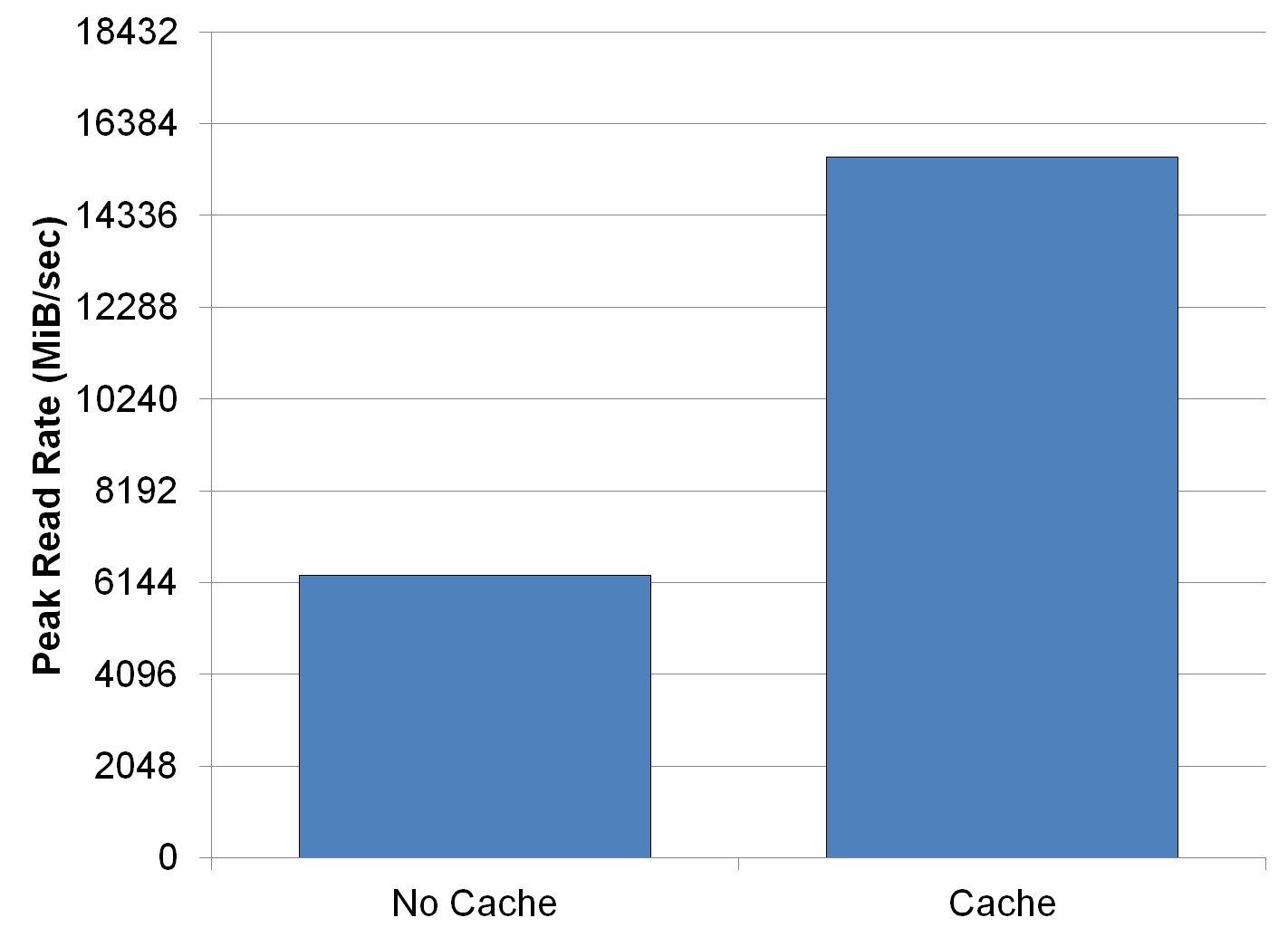
Efficiency is the cornerstone of any successful operation. When looking at performance data, the distinction between cached and non-cached results highlights a critical lesson in resource management. By reducing redundant computations, a system can achieve faster turnaround times and lower overhead. This principle applies not just to software, but to the way information is processed and disseminated in a university setting.
Manage Expectations for Academic Integration
It is easy to overestimate the immediate impact of a single scholar's work. Realistic expectations involve acknowledging that academic integration is an iterative process. You cannot simply apply a formula and expect an overnight transformation in results. Instead, the value lies in the steady refinement of methodology.
- Initial Phase: Theoretical alignment and data gathering.
- Intermediate Phase: Testing hypotheses against existing benchmarks.
- Final Phase: Scaling the successful elements of the research to a wider application.
The risk of ignoring these phases is "implementation shock," where a theory fails because the environment wasn't prepared for the transition. Those who follow a structured rollout see a more consistent increase in value over time.
Assess Long-term Timeline Gains

Visualizing progress through timelines allows for a clearer understanding of where bottlenecks occur. When analyzing the performance of a project, the "no-cache" approach often shows a linear but slow growth pattern. In contrast, optimized workflows allow for exponential leaps in productivity. This visual data underscores the importance of choosing the right tools and mentors to accelerate the learning curve.
Determine the Final Utility
Ultimately, the decision to align with the work of Will Hammond BYU should be based on the specific needs of the end-user. If the goal is rigorous, evidence-based analysis that prioritizes efficiency and logical structure, the value proposition is strong. The trade-off is a steeper initial learning curve, as these methods require a commitment to precision over convenience.
To maximize the benefit, start by identifying the specific bottleneck in your current process. Whether it is a lack of theoretical grounding or an inefficiency in execution, applying a targeted, analytical framework is the most direct route to improvement. Success is measured not by the prestige of the source, but by the measurable improvement in the output.
