Timing is everything when it comes to the US Open. Between the high-stakes energy of Arthur Ashe Stadium and the intimate intensity of the outer courts, trying to track who plays where and when can feel like a full-time job. Whether you are planning a trip to New York or syncing your calendar for remote viewing, understanding how the schedule of play evolves throughout the tournament is the only way to ensure you don't miss a critical match-up.
Track the Daily Order of Play
The official schedule isn't set in stone weeks in advance. Instead, the tournament releases a daily "Order of Play" that dictates the sequence of matches. Typically, this is published the evening before the matches actually begin. To make the most of your day, focus on the court assignments. The marquee matches are almost always slated for the main stadium, but some of the most thrilling upsets happen on the side courts where the atmosphere is raw and the crowd is closer to the action.
- Morning Sessions: Often feature early-round matches and qualifying rounds.
- Afternoon Slots: Transition into high-profile seed matchups.
- Night Sessions: The crown jewels of the day, featuring the biggest stars under the lights.
Plan Your Logistics Across the Map
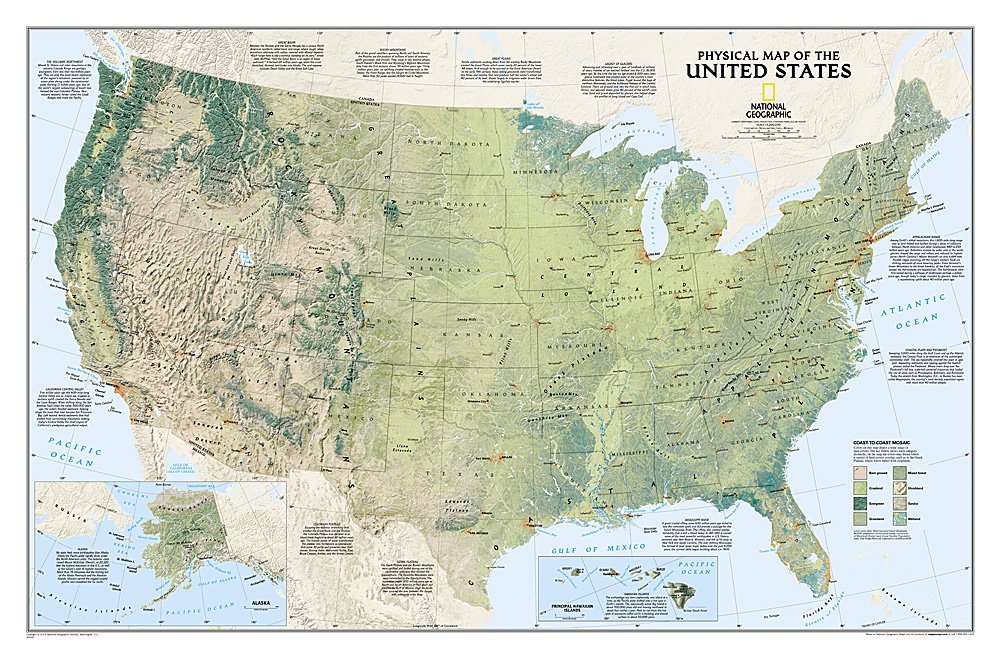
For those traveling from different parts of the country to attend in person, logistical planning is just as important as the match schedule. Coordinating your arrival in New York requires a grasp of regional travel times and local transit. Since the US Open attracts a global crowd, the influx of visitors can make getting to the Billie Jean King National Tennis Center a challenge. Mapping out your route and choosing a home base that offers quick access to the subway will save you hours of stress, allowing you to focus on the tennis rather than the traffic.
Decode the Scheduling Variables
One of the most frustrating parts of the US Open schedule of play is its unpredictability. Tennis is unique because a match can last 60 minutes or five hours. This creates a "domino effect." If a morning match in the first slot goes to five sets, every subsequent match on that court is pushed back. To handle this, avoid scheduling strict appointments during the tournament. Instead, use the official app to get real-time push notifications. When a player is "on deck," that is your cue to move toward the court.
Navigate Weather Delays and Roof Closures
New York weather in late August and early September is notoriously volatile. While the main stadium has a retractable roof that allows play to continue during rain, the outer courts do not. A sudden thunderstorm can freeze the entire schedule of play for several hours. In these instances, officials prioritize the most critical matches for the roofed courts. If your favorite player is scheduled for an outer court during a storm, be prepared for rescheduling or potential moves to indoor facilities.
Optimize Your Viewing Strategy
If you can't be there in person, the schedule of play determines your streaming strategy. Because of time zone differences, fans in different regions may find themselves waking up at odd hours to catch the night sessions. To avoid burnout, prioritize the "must-watch" seeds and use highlight reels for the early-round matches. The most critical window is usually the quarterfinals and semifinals, where the schedule becomes more streamlined and predictable, leading up to the final championship clash.
Ultimately, the key to enjoying the US Open is flexibility. By combining the daily Order of Play with a bit of patience for weather and match length, you can navigate the tournament without the stress of missing a single ace or a dramatic tiebreak.
