Looking for a quick‑reference “cheat sheet” that turns Spanish from a mystery into a daily tool? This guide walks you through the essentials—pronunciation shortcuts, key verbs, common phrases, and cultural cues—so you can start using the language confidently in real‑world situations.
What basic pronunciation tricks unlock Spanish sounds?
English speakers often stumble on the rolling r and the soft “ñ.” Think of “rr” as a light drumroll: “perro” (dog) versus “pero” (but). The “ñ” mimics the “ny” in “canyon,” as in “niño” (child). Practicing these two sounds with a simple tongue‑tap exercise can dramatically improve intelligibility.
Which verbs should I memorize first?
The three “must‑know” verbs—ser, estar, and tener—cover identity, condition, and possession. Pair them with everyday nouns:
- Ser: “Yo soy estudiante” (I am a student).
- Estar: “Estoy cansado” (I am tired).
- Tener: “Tengo hambre” (I am hungry).
Mastering these builds a scaffold for hundreds of expressions without memorizing endless conjugations.
How can I greet locals with confidence?
Spanish greetings vary by time of day and formality. A quick cheat sheet:
- Morning: ¡Buenos días!
- Afternoon: ¡Buenas tardes!
- Evening: ¡Buenas noches!
- Informal “Hey”: ¡Qué tal!
Using the appropriate phrase signals respect and instantly softens conversation.
Where does visual context help memorization?
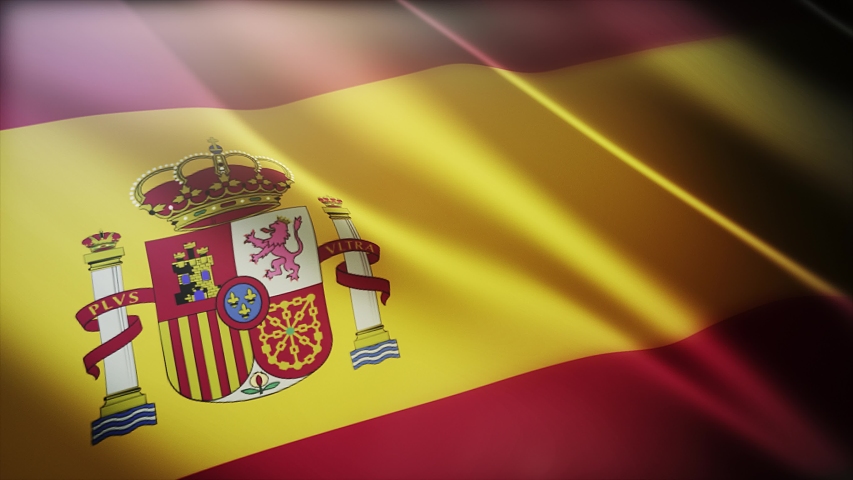
The iconic red‑and‑gold Spanish flag offers a cultural anchor. When you see the flag in a notebook or on a flashcard, it reminds you that the language you’re learning is spoken in 21 countries, each with its own regional flavor. This visual cue can be the first step toward associating words with the places they belong.
Which everyday phrases bridge the gap from classroom to street?
Beyond “hello” and “goodbye,” a handful of situational phrases make spontaneous interactions smoother:
- “¿Cuánto cuesta?” – How much does it cost?
- “¿Dónde está el baño?” – Where is the restroom?
- “Una mesa para dos, por favor.” – A table for two, please.
- “Me gustaría…” – I would like…
Embedding these into a pocket‑size card ensures you’re ready for markets, cafés, and bus stations.
How does a visual aid reinforce learning?

Backgrounds featuring Spanish landmarks—such as the Alhambra or Plaza Mayor—provide geographic context that turns abstract vocabulary into tangible memory hooks. Pairing a phrase like “¡Qué guapa la vista!” with a picture of a scenic vista helps embed the expression in your mind.
What next step turns this cheat sheet into habit?
Choose one section each day, write the key points on a sticky note, and place it where you’ll see it—your fridge, coffee maker, or car dashboard. A daily glance, coupled with a quick pronunciation practice, cements the material far beyond a single reading. In just a week, you’ll notice fluency creeping into everyday chatter.
Looking for a quick‑reference “cheat sheet” that turns Spanish from a mystery into a daily tool? This guide walks you through the essentials—pronunciation shortcuts, key verbs, common phrases, and cultural cues—so you can start using the language confidently in real‑world situations.
What basic pronunciation tricks unlock Spanish sounds?
English speakers often stumble on the rolling r and the soft “ñ.” Think of “rr” as a light drumroll: “perro” (dog) versus “pero” (but). The “ñ” mimics the “ny” in “canyon,” as in “niño” (child). Practicing these two sounds with a simple tongue‑tap exercise can dramatically improve intelligibility.
Which verbs should I memorize first?
The three “must‑know” verbs—ser, estar, and tener—cover identity, condition, and possession. Pair them with everyday nouns:
- Ser: “Yo soy estudiante” (I am a student).
- Estar: “Estoy cansado” (I am tired).
- Tener: “Tengo hambre” (I am hungry).
Mastering these builds a scaffold for hundreds of expressions without memorizing endless conjugations.
How can I greet locals with confidence?
Spanish greetings vary by time of day and formality. A quick cheat sheet:
- Morning: ¡Buenos días!
- Afternoon: ¡Buenas tardes!
- Evening: ¡Buenas noches!
- Informal “Hey”: ¡Qué tal!
Using the appropriate phrase signals respect and instantly softens conversation.
Where does visual context help memorization?
The iconic red‑and‑gold Spanish flag offers a cultural anchor. When you see the flag in a notebook or on a flashcard, it reminds you that the language you’re learning is spoken in 21 countries, each with its own regional flavor. This visual cue can be the first step toward associating words with the places they belong.
Which everyday phrases bridge the gap from classroom to street?
Beyond “hello” and “goodbye,” a handful of situational phrases make spontaneous interactions smoother:
- “¿Cuánto cuesta?” – How much does it cost?
- “¿Dónde está el baño?” – Where is the restroom?
- “Una mesa para dos, por favor.” – A table for two, please.
- “Me gustaría…” – I would like…
Embedding these into a pocket‑size card ensures you’re ready for markets, cafés, and bus stations.
How does a visual aid reinforce learning?
Backgrounds featuring Spanish landmarks—such as the Alhambra or Plaza Mayor—provide geographic context that turns abstract vocabulary into tangible memory hooks. Pairing a phrase like “¡Qué guapa la vista!” with a picture of a scenic vista helps embed the expression in your mind.
What next step turns this cheat sheet into habit?
Choose one section each day, write the key points on a sticky note, and place it where you’ll see it—your fridge, coffee maker, or car dashboard. A daily glance, coupled with a quick pronunciation practice, cements the material far beyond a single reading. In just a week, you’ll notice fluency creeping into everyday chatter.
