True efficiency isn't about having the most tools; it's about having the right tools accessible at the exact moment you need them. For the modern professional or hobbyist, the struggle usually lies in the chaos of disorganized gear. When your equipment is a jumbled mess, you waste time and mental energy. Adopting a "Mr Terrific" mindset means prioritizing strategic organization and high-value utility to eliminate friction from your daily workflow.
Stop Fighting Your Gear
Many people invest in high-end equipment only to find that the act of carrying it becomes a chore. Whether you are transporting sensitive electronics, specialized tools, or daily essentials, the "pain point" is almost always the transition from transport to action. If you have to dig through three different compartments to find a single cable or lens, your system is failing you.
The solution is a shift toward modularity. Instead of one giant void, look for systems that utilize internal dividers and dedicated slots. When every item has a designated home, you stop searching and start executing. This level of precision allows you to maintain a high pace of productivity without the frustration of misplaced assets.
Optimize Your Mobile Command Center
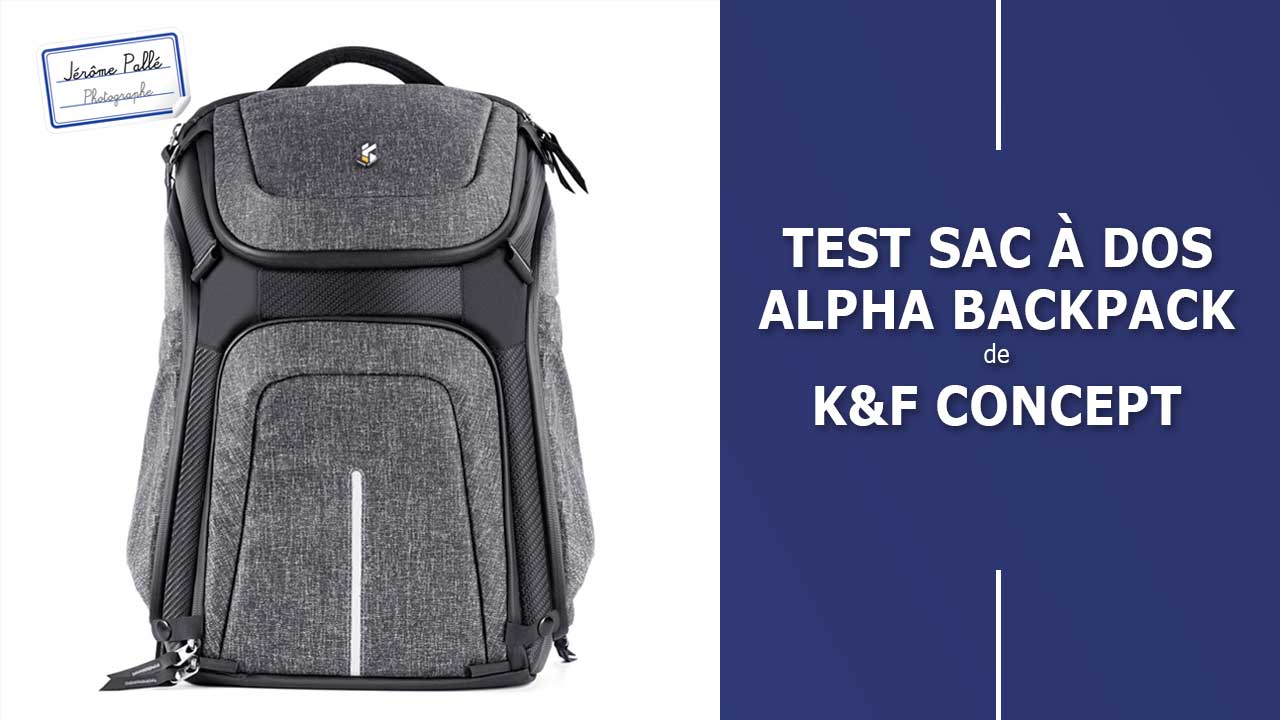
High-utility carry solutions, like specialized backpacks, act as a mobile command center. For those managing fragile gear, a structured approach is non-negotiable. Using reinforced padding and adjustable dividers ensures that your equipment stays secure regardless of the terrain. By treating your bag as an extension of your workspace, you reduce the risk of damage and increase your deployment speed.
Invest in Durable Architecture
Value isn't found in the lowest price tag; it's found in the cost-per-use ratio. Cheap materials fray, zippers break, and straps snap under pressure. A value-focused buyer looks for "over-engineered" components—ballistic nylon, weather-resistant coatings, and ergonomic support systems. These features prevent the costly cycle of replacing mediocre gear every twelve months.
Consider the weight distribution. A poorly designed bag puts undue stress on your shoulders and lower back, leading to fatigue. True utility means the gear supports the human, not the other way around. Look for load-bearing straps and breathable back panels that allow you to carry heavy loads over long distances without physical burnout.
Streamline Your Professional Transit

Transitioning between professional environments requires a balance of aesthetics and function. A streamlined exterior prevents you from looking like you're heading into a wilderness expedition when you're actually entering a boardroom. However, the interior must remain a powerhouse of organization. Discrete pockets for tech accessories and secure compartments for documents ensure that you remain composed and prepared for any scenario.
Audit Your Carry Regularly
The biggest enemy of efficiency is "gear creep"—the tendency to carry things "just in case" that you never actually use. To maintain a Mr Terrific level of optimization, perform a monthly audit of your kit.
- The Usage Test: If you haven't touched an item in 30 days, move it to long-term storage.
- The Friction Check: Identify which item is the hardest to reach and move it to a more accessible pocket.
- The Weight Weigh-in: Evaluate if a lighter alternative exists for a heavy tool without sacrificing performance.
By ruthlessly pruning your inventory, you ensure that your mobility remains high and your focus stays on the task at hand. Precision is the ultimate luxury in a world of clutter.
Build Your System Today
Don't wait for a gear failure to realize your system is broken. Start by identifying your most frequent "friction points" this week. Whether it's a tangled mess of wires or a bag that digs into your shoulder, solve the smallest problem first. Once you establish a baseline of organization, you can scale up to more advanced modular systems. Stop managing the mess and start mastering your environment.
