If you’ve ever heard someone say they’re “over the moon” or that a task is a “piece of cake” and had no clue what they meant, you’re not alone. Figuring out idioms meaning for kids can feel like solving a tiny puzzle, but once you get the hang of it, you’ll unlock a whole new way to understand and connect with the people around you. This step-by-step guide breaks down common, weird, and fun idioms in simple terms, so you can stop confusion in its tracks and even impress your friends with your new vocabulary skills.
What Exactly Are Idioms, and Why Do They Sound So Weird?
Idioms are short, common phrases that don’t mean what their individual words would suggest if you took them literally. For example, if someone says “it’s raining cats and dogs,” they don’t mean pets are falling from the sky — they just mean it’s raining really hard. Most idioms have been used for hundreds of years, and they pop up in everyday conversation, TV shows, books, and even songs, so learning what they mean is a super useful skill for kids.
Which Idioms Will I Hear Most Often as a Kid?
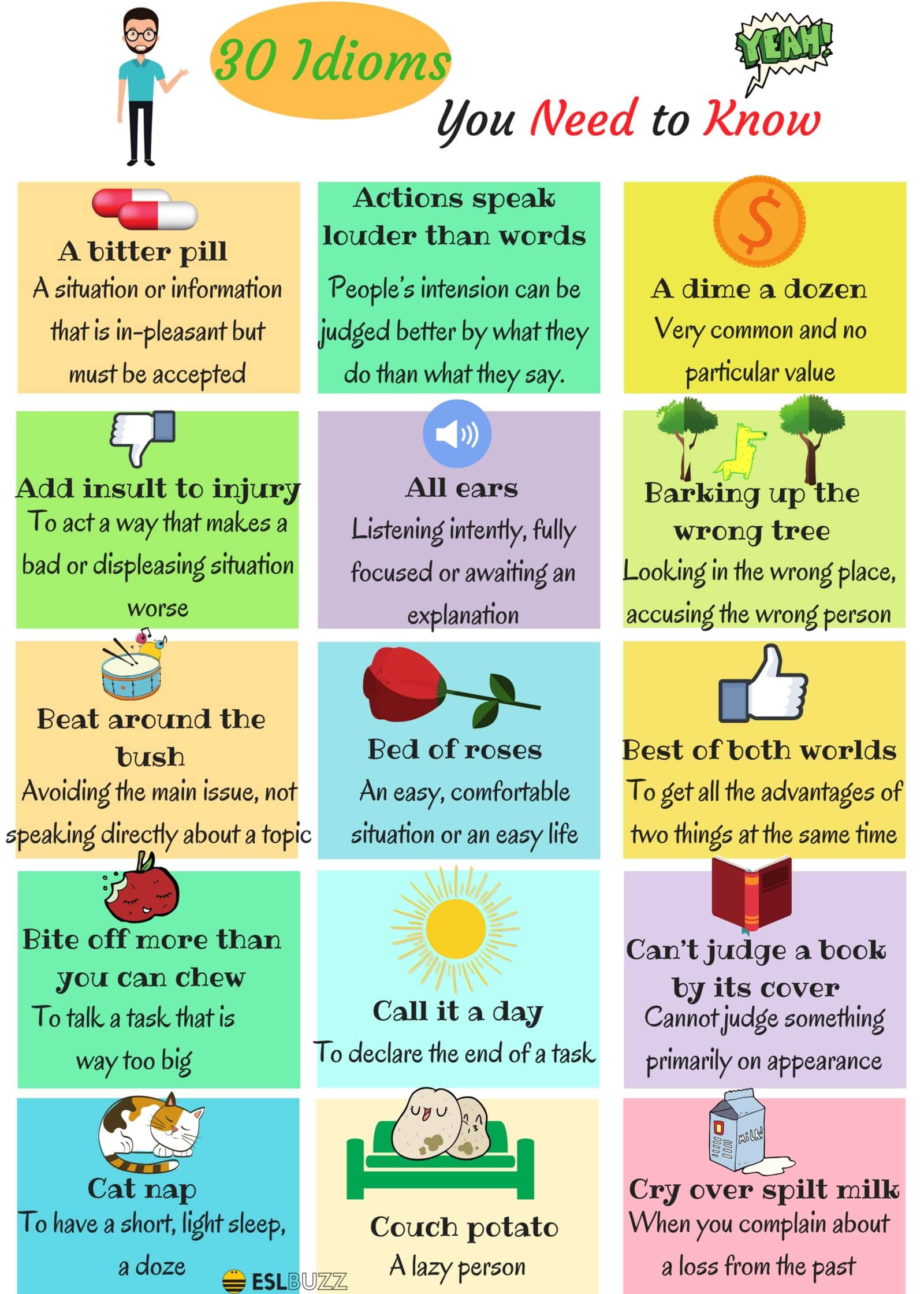
You don’t have to learn hundreds of rare phrases to get the hang of idioms — most of the time, you’ll run into short, common ones that people use all the time. “Spill the beans” means to tell a secret you were supposed to keep, like if your friend planned a surprise party for your sibling and you accidentally mentioned it to them. “Break a leg” is a way to say “good luck” before a performance, sports game, or test, and it definitely doesn’t mean you want someone to hurt themselves. “Piece of cake” describes any task that’s super easy, like finishing a 5-question math quiz. These phrases show up so often that once you learn them, you’ll start noticing them everywhere.
How Can I Figure Out What an Unfamiliar Idiom Means?
If you hear a phrase you don’t recognize, don’t panic — you can decode it in three quick steps. First, pause and remind yourself that the words probably don’t mean their literal definition. Second, ask a parent, teacher, or older sibling what the phrase means, or look it up in a kid-friendly idiom guide. Third, practice using it in a sentence to make sure you understand it correctly. For example, if you hear the idiom “bite the bullet,” you’ll learn it means to do something scary or unpleasant even if you don’t want to. You can test your understanding by saying, “I didn’t want to try the new vegetable, but I bit the bullet and took a bite.” If the sentence makes sense, you’ve got it!
What Are Some Fun, Rare Idioms I Can Show Off With?

Once you’re comfortable with common idioms, you can try out a few rare, silly ones to make people laugh or sound like a vocabulary pro. “Butterflies in my stomach” describes that fluttery, nervous feeling you get before a big soccer game or a school presentation. “Cost an arm and a leg” means something is extremely expensive, like that new video game console you’ve been begging for. Just keep in mind that rare idioms aren’t used as often, so you might have to explain what they mean if you use them with people who haven’t heard them before.
What Should I Do If I Still Don’t Understand an Idiom?
It’s totally normal to run into idioms that feel confusing, even after you look them up. Some phrases are old-fashioned, or only used in specific parts of the country, so they might not make sense right away. If you’re ever unsure, just ask! Pretending you know an idiom can lead to using it wrong, which can be awkward. For example, if your grandparent says “that’s the bee’s knees” to describe your art project, you can ask what it means (it’s an old-fashioned way to say something is amazing) and they’ll probably be excited to explain it to you. The more you ask questions, the faster you’ll master idioms meaning for kids and sound like a native speaker.
If you’ve ever heard someone say they’re “over the moon” or that a task is a “piece of cake” and had no clue what they meant, you’re not alone. Figuring out idioms meaning for kids can feel like solving a tiny puzzle, but once you get the hang of it, you’ll unlock a whole new way to understand and connect with the people around you. This step-by-step guide breaks down common, weird, and fun idioms in simple terms, so you can stop confusion in its tracks and even impress your friends with your new vocabulary skills.
What Exactly Are Idioms, and Why Do They Sound So Weird?
Idioms are short, common phrases that don’t mean what their individual words would suggest if you took them literally. For example, if someone says “it’s raining cats and dogs,” they don’t mean pets are falling from the sky — they just mean it’s raining really hard. Most idioms have been used for hundreds of years, and they pop up in everyday conversation, TV shows, books, and even songs, so learning what they mean is a super useful skill for kids.
Which Idioms Will I Hear Most Often as a Kid?
You don’t have to learn hundreds of rare phrases to get the hang of idioms — most of the time, you’ll run into short, common ones that people use all the time. “Spill the beans” means to tell a secret you were supposed to keep, like if your friend planned a surprise party for your sibling and you accidentally mentioned it to them. “Break a leg” is a way to say “good luck” before a performance, sports game, or test, and it definitely doesn’t mean you want someone to hurt themselves. “Piece of cake” describes any task that’s super easy, like finishing a 5-question math quiz. These phrases show up so often that once you learn them, you’ll start noticing them everywhere.
How Can I Figure Out What an Unfamiliar Idiom Means?
If you hear a phrase you don’t recognize, don’t panic — you can decode it in three quick steps. First, pause and remind yourself that the words probably don’t mean their literal definition. Second, ask a parent, teacher, or older sibling what the phrase means, or look it up in a kid-friendly idiom guide. Third, practice using it in a sentence to make sure you understand it correctly. For example, if you hear the idiom “bite the bullet,” you’ll learn it means to do something scary or unpleasant even if you don’t want to. You can test your understanding by saying, “I didn’t want to try the new vegetable, but I bit the bullet and took a bite.” If the sentence makes sense, you’ve got it!
What Are Some Fun, Rare Idioms I Can Show Off With?
Once you’re comfortable with common idioms, you can try out a few rare, silly ones to make people laugh or sound like a vocabulary pro. “Butterflies in my stomach” describes that fluttery, nervous feeling you get before a big soccer game or a school presentation. “Cost an arm and a leg” means something is extremely expensive, like that new video game console you’ve been begging for. Just keep in mind that rare idioms aren’t used as often, so you might have to explain what they mean if you use them with people who haven’t heard them before.
What Should I Do If I Still Don’t Understand an Idiom?
It’s totally normal to run into idioms that feel confusing, even after you look them up. Some phrases are old-fashioned, or only used in specific parts of the country, so they might not make sense right away. If you’re ever unsure, just ask! Pretending you know an idiom can lead to using it wrong, which can be awkward. For example, if your grandparent says “that’s the bee’s knees” to describe your art project, you can ask what it means (it’s an old-fashioned way to say something is amazing) and they’ll probably be excited to explain it to you. The more you ask questions, the faster you’ll master idioms meaning for kids and sound like a native speaker.
