When diving into the world of contemporary visual storytelling, the intersection of different artistic disciplines often yields the most striking results. The collaboration and individual styles of Dianna Russini and Mike Vrabel offer a fascinating study in how mood, texture, and conceptual framing can transform a simple image into a narrative experience. For those new to their work, understanding how these two creators approach their craft provides a blueprint for how modern photography and art direction can blend to evoke specific emotional responses.
Who are Dianna Russini and Mike Vrabel?
Dianna Russini is widely recognized for her bold, cinematic approach to photography and art direction. Her work often leans into high-contrast lighting and a sophisticated sense of fashion and drama. Mike Vrabel, conversely, brings a distinct perspective that often complements this intensity with a focused eye for detail and composition. Together, the concept of "dianna russini mike vrabel" represents a fusion of editorial polish and raw artistic expression.
For a beginner, the best way to view their impact is through the lens of "visual mood boarding." They don't just capture a subject; they build a world around that subject. Whether it is through the use of saturated colors or the strategic placement of shadows, their work emphasizes the feeling of a moment over the literal documentation of a scene.
How do their styles differ in practical application?
To understand their work, it helps to compare how they handle different scenarios. If you are looking for a high-fashion, polished look that feels like a still from a movie, that is the hallmark of Russini's influence. The focus is on the "grandeur"—the way a garment flows or how a gaze pierces the camera.
Vrabel's contributions often ground the imagery. Where Russini might push for the ethereal or the exaggerated, the influence of Vrabel can be seen in the structural integrity of the shot. This creates a balance: one provides the dreamlike atmosphere, while the other ensures the composition remains impactful and coherent. This duality is what makes their collective aesthetic so appealing to brands and galleries alike.
What are the best use cases for this aesthetic?
If you are a creator or a business owner wondering how to apply the principles seen in the work of Dianna Russini and Mike Vrabel, consider these scenarios:
- Editorial Branding: Use high-contrast lighting and dramatic angles to create a sense of luxury and exclusivity.
- Narrative Portraits: Instead of a standard headshot, focus on "environmental storytelling" where the background and lighting tell a story about the person's character.
- Conceptual Art: Blend surreal elements with realistic textures to challenge the viewer's perception of the subject.
How does technical precision enhance the vision?
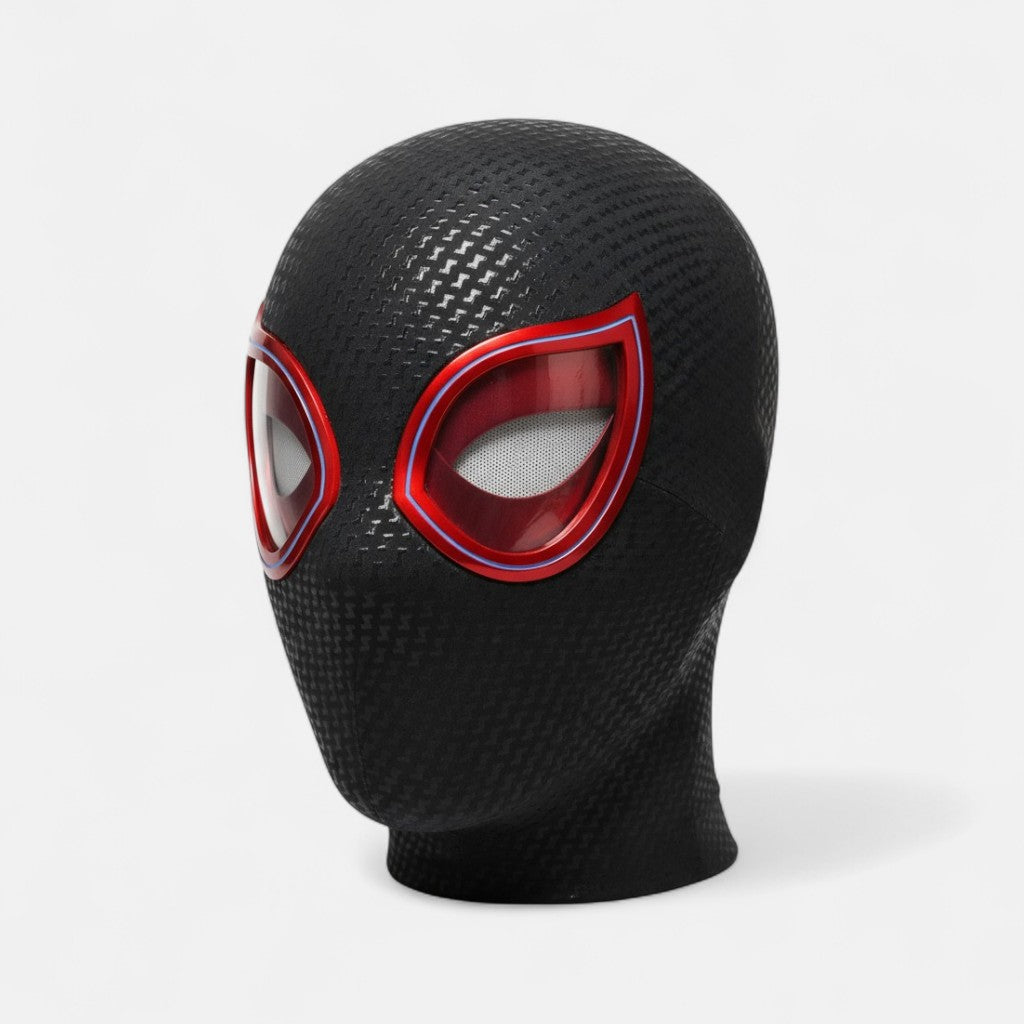
Just as a high-end prop requires immense technical precision to look realistic, the work of these artists relies on the mastery of light and shadow. The "magic" doesn't happen by accident; it is the result of careful planning. When we look at the precision in modern design, we see a reflection of how Russini and Vrabel treat their frames—every line, every shadow, and every highlight is intentional.
Which selection criteria should you use for inspiration?
When studying their portfolio to improve your own work, don't just look at the final image. Ask yourself these three questions to break down the "dianna russini mike vrabel" effect:
- What is the dominant emotion? Is it longing, power, mystery, or joy? Identify this first, as the technical choices follow the emotion.
- How is the light behaving? Is it hard and direct, or soft and diffused? Notice how the light creates shapes on the subject's face.
- What is the color palette? Are they using complementary colors to create tension, or a monochromatic scheme to create harmony?
Can digital tools replicate this artistic depth?
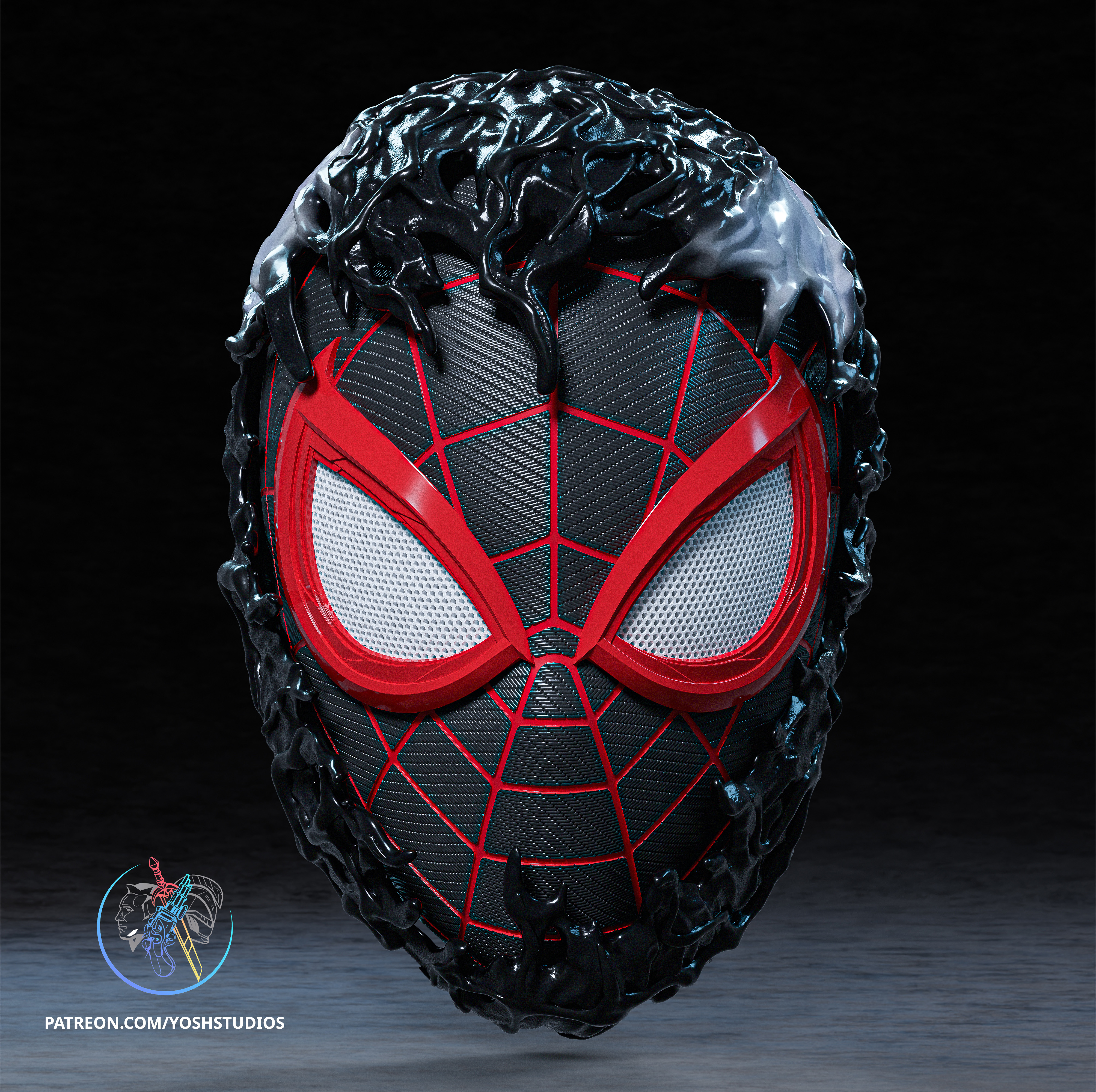
In the modern era, 3D modeling and digital manipulation have become essential tools. While the core of the Russini and Vrabel aesthetic is rooted in artistic intuition, the use of digital tools allows for a level of perfectionism that was previously impossible. By combining old-school composition rules with new-age software, artists can push the boundaries of what a "photograph" actually is, turning a capture into a fully realized piece of digital art.
