Acquiring a high-quality instrument is rarely a straightforward process, especially when pursuing a specific maker like Brian Duckworth. For the practical musician, the goal is to find a tool that balances tonal richness with structural reliability. However, many buyers fall into the trap of prioritizing aesthetic perfection or hearsay over the actual acoustic performance of the instrument. Understanding the nuances of these fiddles allows a player to move past the marketing noise and focus on what truly impacts their sound.
Prioritizing Tone Over Visual Symmetry
A frequent mistake among collectors is overemphasizing the visual "perfection" of a Brian Duckworth fiddle. While a clean varnish and symmetrical purfling are signs of craftsmanship, they do not guarantee a superior voice. The real value lies in the graduation of the wood—how the thickness of the top and back plates has been carved to maximize resonance.
Instead of focusing on the lack of wear or the shine of the finish, players should look for a "responsive" instrument. A fiddle that speaks quickly with minimal bow pressure is far more valuable in a professional setting than one that looks like a museum piece but requires excessive effort to produce a clear tone.
Comparing Setup Quality vs. Raw Potential
Many musicians purchase a fine instrument only to realize it sounds muted because of a poor setup. There is a significant difference between the raw quality of a Brian Duckworth fiddle and how it is currently configured. The bridge height, soundpost position, and string choice can either mask or highlight the instrument's inherent strengths.
- The Common Mistake: Assuming a "dead" sound is a fault of the maker.
- The Smarter Alternative: Investing in a professional luthier to optimize the setup specifically for your playing style.
- Practical Note: Always test a fiddle with a variety of string brands; a set of synthetic core strings may reveal depths in the tone that steel strings hide.
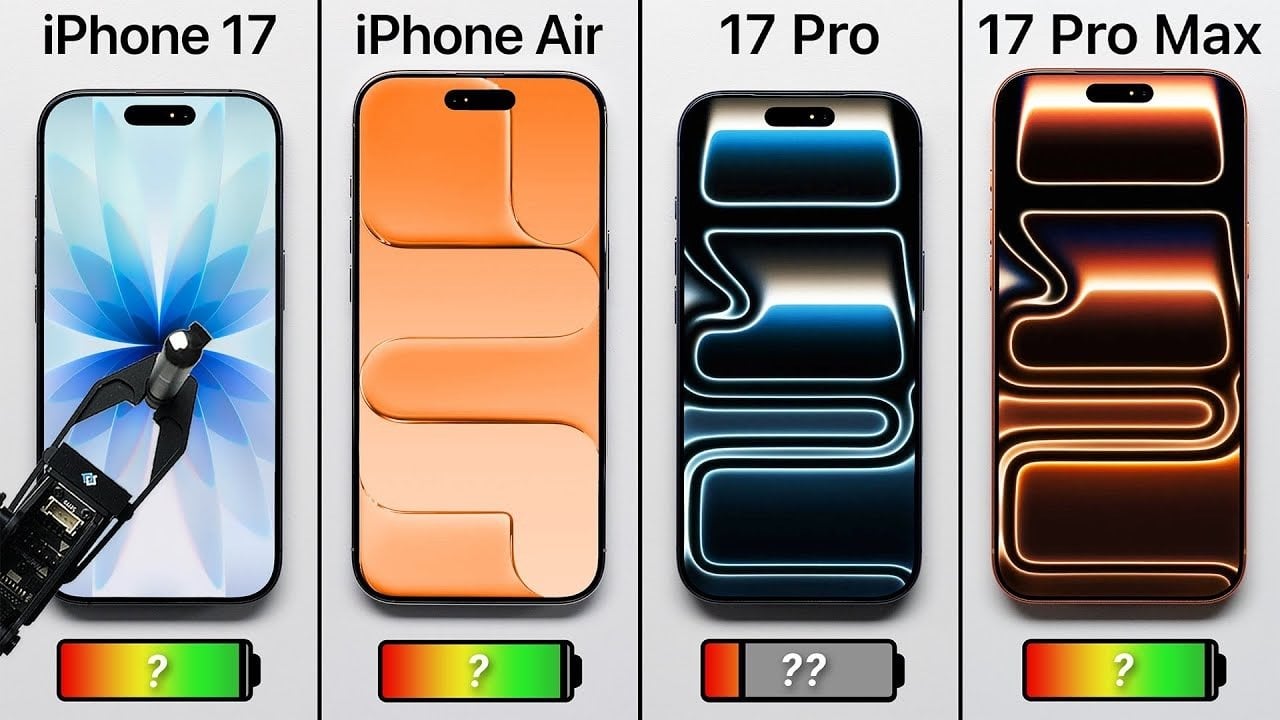
iPhone 17 Battery Life Breakdown: Real-World Insights and Testing
While traditional ear-testing is paramount, modern musicians often use high-fidelity recording equipment to analyze the frequency response of their instruments. Utilizing precise digital tools allows a player to identify "wolf tones" or dead spots that might be missed during a casual audition, ensuring the instrument is structurally sound across all registers.
Evaluating Long-Term Stability and Wood Choice
Practicality in a fiddle means stability across changing seasons. A common oversight is ignoring how the instrument reacts to humidity and temperature. High-quality makers select seasoned tonewoods that have stabilized over years, reducing the likelihood of open seams or cracks during winter months.
When examining a Brian Duckworth fiddle, check the integrity of the glue joints and the fit of the neck. A fiddle that has remained stable over a decade is a safer investment than a newer, untested model. Focus on the weight of the instrument; a fiddle that is too heavy may lack projection, while one that is too light might lack the "core" needed for orchestral playing.
The iPhone 17 Pro Max has better battery life than Samsung, and the

Maintaining a digital archive of your instrument's provenance, repairs, and adjustments is the best way to protect its future value. Keeping a detailed log of when the bow was rehaired or when the bridge was replaced ensures that the maintenance of the instrument remains consistent, preventing long-term degradation.
Choosing the Right Model for Your Genre
Not every Brian Duckworth fiddle is suited for every style of music. A fiddle optimized for the intricate, fast-paced requirements of traditional folk music may differ slightly in feel and response from one designed for the sustained, emotive lines of classical music.
Before committing to a purchase, define your primary use case. If you are playing in loud environments, prioritize an instrument with strong projection and a bright upper register. If you are recording in a studio, look for an instrument with a warmer, more complex harmonic profile that fills a room without becoming piercing.
