In the UK, the demand for skilled ADHD assessors has surged as more clinicians seek evidence‑based tools to differentiate ADHD from related disorders. If you’re already familiar with developmental psychology and want to refine your assessment toolkit, this guide offers concrete examples, actionable takeaways, and fresh insights into UK‑specific training pathways.
What Makes UK ADHD Assessment Training Distinct?
The UK’s National Institute for Health and Care Excellence (NICE) sets strict guidelines for ADHD assessment. Training programs therefore emphasize standardized diagnostic interviews, multi‑informant rating scales, and the integration of neuropsychological testing. Unlike generic workshops, UK courses often require candidates to complete a supervised assessment portfolio, ensuring hands‑on experience with real patients.
How to Choose a Reputable Training Provider
- Accreditation. Look for courses accredited by the Association of Psychological Therapists (APT) or the British Psychological Society (BPS). These bodies confirm that the curriculum aligns with NICE standards.
- Curriculum depth. A comprehensive program covers differential diagnosis (e.g., ADHD vs. autism spectrum, mood disorders), assessment tools (Conners, Vanderbilt, WISC‑IV), and interpretation of neurocognitive data.
- Mentorship structure. The best training offers at least 20 hours of supervised practice, allowing you to apply theory under expert guidance.
What Core Assessment Tools Are Essential?
While many clinicians rely on the Conners Comprehensive Behavior Rating Scales, UK practitioners often supplement with the Strengths and Difficulties Questionnaire (SDQ) for a broader behavioral snapshot. Neuropsychological tests such as the Wechsler Intelligence Scale for Children (WISC‑V) and the Test of Variables of Attention (TOVA) provide objective data that can confirm self‑report findings.
When to Refer for Specialized Testing
Not every presentation requires full neuropsychological assessment. Use these decision checkpoints:
- If parents report intense inattentiveness but normal hyperactivity, begin with a focused cognitive battery (e.g., Continuous Performance Test).
- When comorbid learning difficulties are suspected, add the Woodcock‑Johnson III to rule out dyslexia or dyscalculia.
- For adolescents exhibiting impulsivity coupled with mood swings, integrate the Revised Children's Manifest Anxiety Scale (RCMAS) to screen for anxiety disorders.
How to Interpret and Communicate Results Effectively
Assessment is not just data collection; it’s translation. Craft a concise report that highlights:
- Diagnostic clarity. Use DSM‑5 criteria mapped against NICE guidelines.
- Functional impact. Illustrate how ADHD symptoms disrupt academic performance, social relationships, and daily routines.
- Evidence‑based recommendations. Include medication options, behavioral interventions, and educational accommodations tailored to the UK school system.
Practical Takeaway: Building Your Assessment Portfolio
Accumulate at least five full assessments (including history, rating scales, and neuropsych tests) before seeking final certification. Keep a detailed log of each case: presenting concerns, assessment tools used, results, and clinical decisions. This portfolio not only satisfies accreditation requirements but also serves as a reflective tool to refine your diagnostic acumen.
Supporting Resources and Continuing Development
After completing initial training, stay current by attending:
- Annual BPS conferences focusing on ADHD research.
- Workshops on emerging technologies like digital phenotyping and AI‑assisted symptom tracking.
- Peer‑reviewed journals such as Behavioural and Brain Functions for the latest evidence on assessment tools.
Why Your Experience Matters in ADHD Assessment
Experienced hobbyists bring a unique perspective: a deep curiosity about human behavior and a willingness to experiment with novel assessment methods. Leverage this by:
- Testing new rating scales in your practice and publishing outcomes.
- Collaborating with academic researchers to pilot innovative neurocognitive tasks.
- Mentoring junior clinicians, thereby reinforcing your own understanding.
Image: ADHD Factors Set
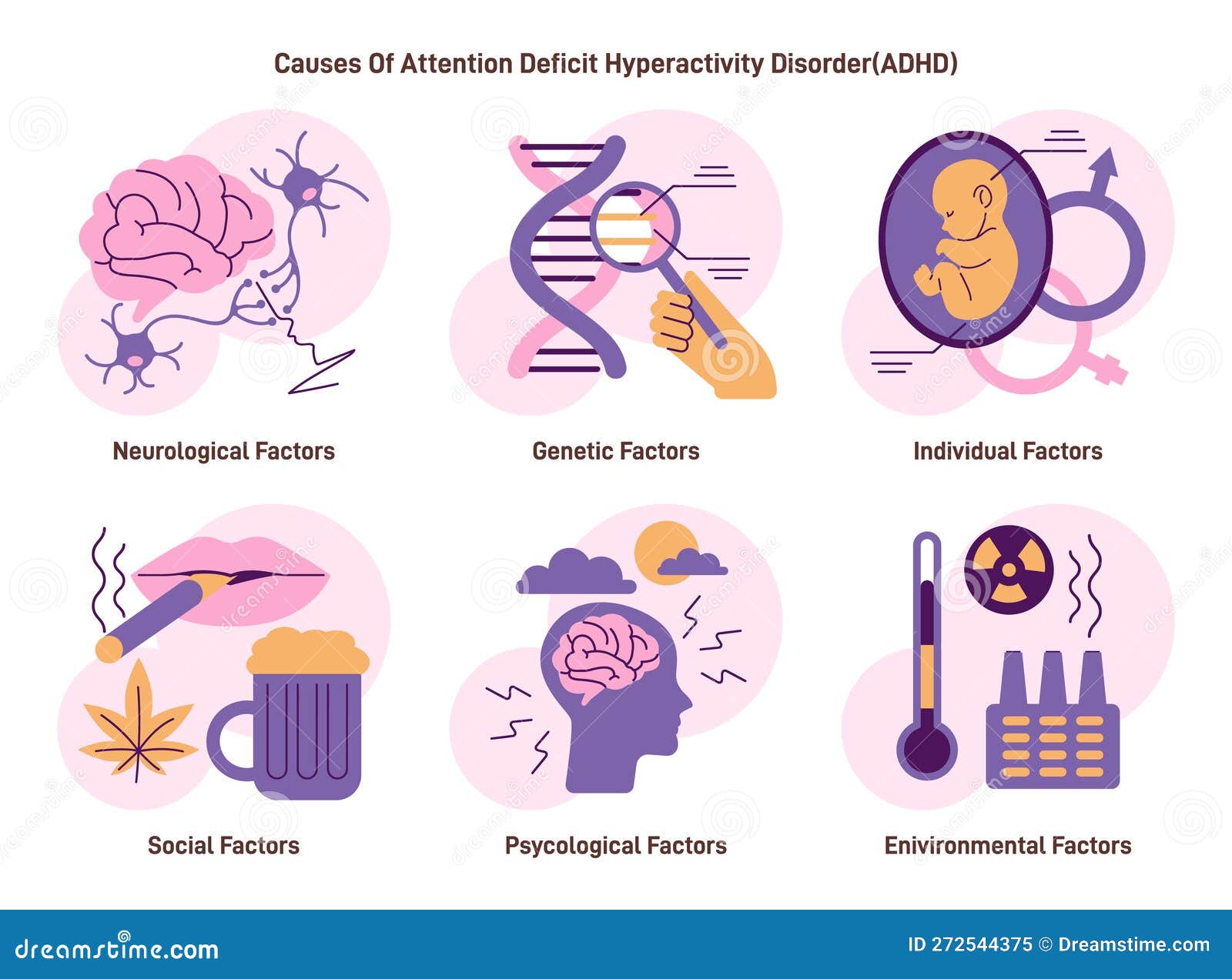
This infographic visually maps the neurological, genetic, individual, social, and psychological contributors to ADHD. Use it as a quick reference when explaining the multifactorial nature of the disorder to patients and educators.
In the UK, the demand for skilled ADHD assessors has surged as more clinicians seek evidence‑based tools to differentiate ADHD from related disorders. If you’re already familiar with developmental psychology and want to refine your assessment toolkit, this guide offers concrete examples, actionable takeaways, and fresh insights into UK‑specific training pathways.
What Makes UK ADHD Assessment Training Distinct?
The UK’s National Institute for Health and Care Excellence (NICE) sets strict guidelines for ADHD assessment. Training programs therefore emphasize standardized diagnostic interviews, multi‑informant rating scales, and the integration of neuropsychological testing. Unlike generic workshops, UK courses often require candidates to complete a supervised assessment portfolio, ensuring hands‑on experience with real patients.
How to Choose a Reputable Training Provider
- Accreditation. Look for courses accredited by the Association of Psychological Therapists (APT) or the British Psychological Society (BPS). These bodies confirm that the curriculum aligns with NICE standards.
- Curriculum depth. A comprehensive program covers differential diagnosis (e.g., ADHD vs. autism spectrum, mood disorders), assessment tools (Conners, Vanderbilt, WISC‑IV), and interpretation of neurocognitive data.
- Mentorship structure. The best training offers at least 20 hours of supervised practice, allowing you to apply theory under expert guidance.
What Core Assessment Tools Are Essential?
While many clinicians rely on the Conners Comprehensive Behavior Rating Scales, UK practitioners often supplement with the Strengths and Difficulties Questionnaire (SDQ) for a broader behavioral snapshot. Neuropsychological tests such as the Wechsler Intelligence Scale for Children (WISC‑V) and the Test of Variables of Attention (TOVA) provide objective data that can confirm self‑report findings.
When to Refer for Specialized Testing
Not every presentation requires full neuropsychological assessment. Use these decision checkpoints:
- If parents report intense inattentiveness but normal hyperactivity, begin with a focused cognitive battery (e.g., Continuous Performance Test).
- When comorbid learning difficulties are suspected, add the Woodcock‑Johnson III to rule out dyslexia or dyscalculia.
- For adolescents exhibiting impulsivity coupled with mood swings, integrate the Revised Children's Manifest Anxiety Scale (RCMAS) to screen for anxiety disorders.
How to Interpret and Communicate Results Effectively
Assessment is not just data collection; it’s translation. Craft a concise report that highlights:
- Diagnostic clarity. Use DSM‑5 criteria mapped against NICE guidelines.
- Functional impact. Illustrate how ADHD symptoms disrupt academic performance, social relationships, and daily routines.
- Evidence‑based recommendations. Include medication options, behavioral interventions, and educational accommodations tailored to the UK school system.
Practical Takeaway: Building Your Assessment Portfolio
Accumulate at least five full assessments (including history, rating scales, and neuropsych tests) before seeking final certification. Keep a detailed log of each case: presenting concerns, assessment tools used, results, and clinical decisions. This portfolio not only satisfies accreditation requirements but also serves as a reflective tool to refine your diagnostic acumen.
Supporting Resources and Continuing Development
After completing initial training, stay current by attending:
- Annual BPS conferences focusing on ADHD research.
- Workshops on emerging technologies like digital phenotyping and AI‑assisted symptom tracking.
- Peer‑reviewed journals such as Behavioural and Brain Functions for the latest evidence on assessment tools.
Why Your Experience Matters in ADHD Assessment
Experienced hobbyists bring a unique perspective: a deep curiosity about human behavior and a willingness to experiment with novel assessment methods. Leverage this by:
- Testing new rating scales in your practice and publishing outcomes.
- Collaborating with academic researchers to pilot innovative neurocognitive tasks.
- Mentoring junior clinicians, thereby reinforcing your own understanding.
Image: ADHD Factors Set
This infographic visually maps the neurological, genetic, individual, social, and psychological contributors to ADHD. Use it as a quick reference when explaining the multifactorial nature of the disorder to patients and educators.
